How to Fix a Clogged Toilet Without a Plunger
(DIY guide from a handyman with 20 years on the job)
Introduction
You can clear most toilet clogs at home even if you don’t own a plunger. The key is to stay calm, move slowly, and let simple tools and household products do the work.
Pro Tip: If the bowl is very full, do NOT flush again. One more flush can overflow the toilet and make a big mess. Always lower the water level first.
Safety First
Before you start, protect yourself and your bathroom:
- Wear rubber gloves if you have them.
- Put old towels or rags around the base of the toilet.
- Turn on the fan or open a window for fresh air.
- Keep kids and pets out of the bathroom while you work.
Tools & Supplies You May Need
You don’t need everything on this list, but gather what you can:
- Rubber gloves
- Bucket or large bowl
- Old towels or rags
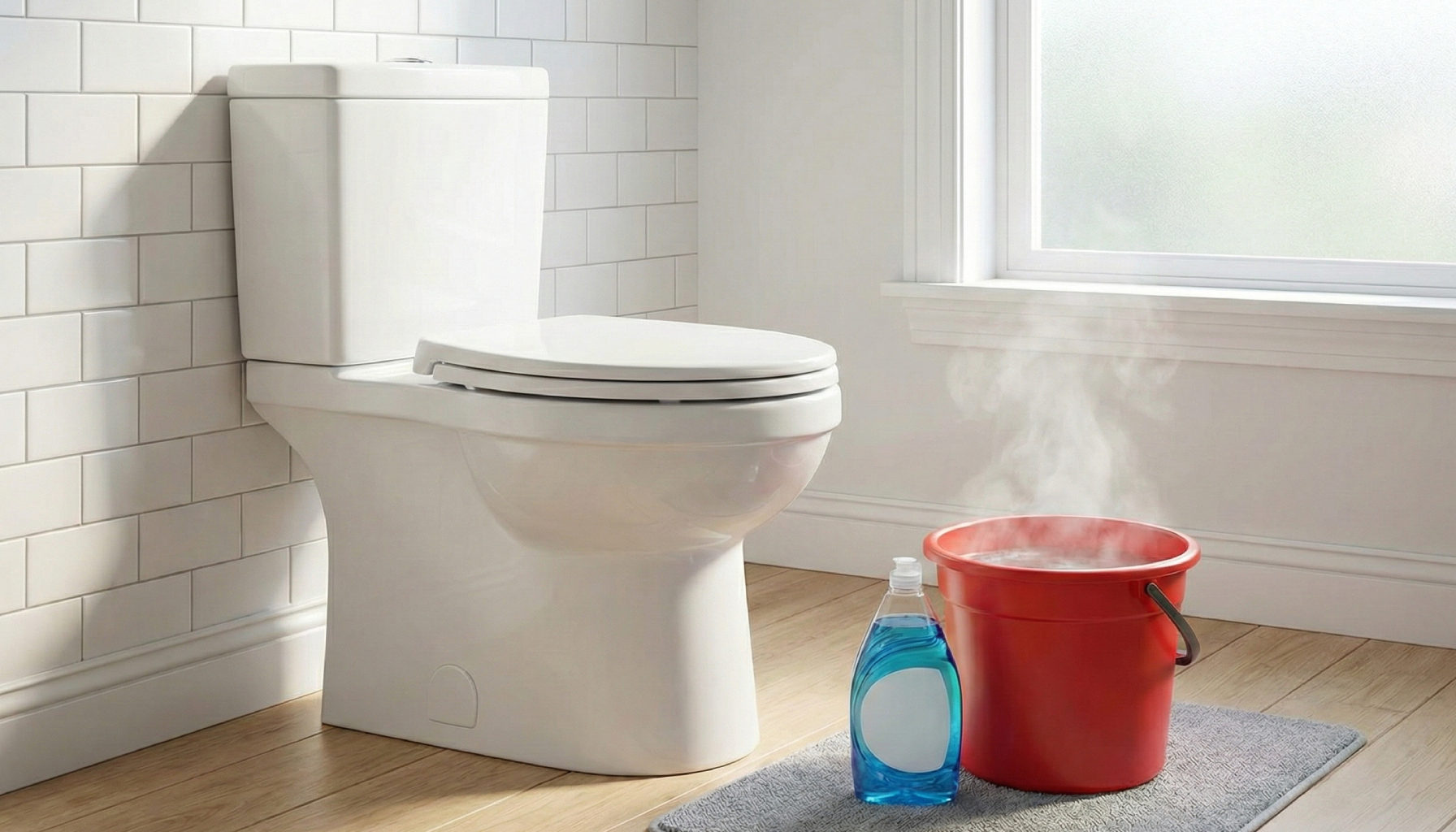
- Dish soap (like Dawn)
- Baking soda
- White vinegar
- Hot water (from the tap, not boiling)
- Wire coat hanger or thick plastic zip tie
- Wet/dry shop vac (optional, if you have one)
- Plastic wrap / cling film (optional method)
Step-by-Step Methods
Try these methods in order. Start gentle, then move to stronger steps if needed.
Step 1: Stop Overflow and Lower Water Level
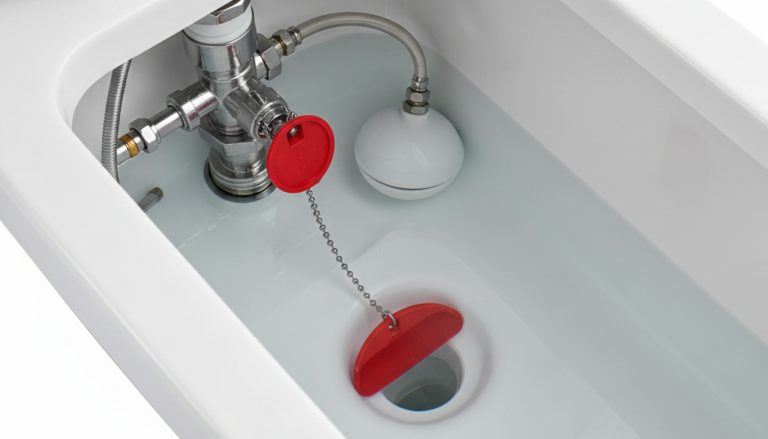
- Take off the toilet tank lid and set it carefully on a flat surface.
- Reach inside the tank and lift the float (the ball or cup that rides on the water). Holding this up stops more water from entering the bowl.
- Turn off the water supply by turning the shutoff valve (behind the toilet near the floor) clockwise until it stops. This prevents any more water from flowing in.
- Use a small container or cup to scoop water from the bowl into a bucket until the water is about halfway full. This gives space for the water to move when you clear the clog.
Step 2: Use Hot (Not Boiling) Water and Dish Soap
This is gentle and works on many soft clogs.
- Squirt a generous amount of dish soap into the toilet bowl (about ½ cup).
- Let the soap sit for 5–10 minutes so it can coat and loosen the clog.
- Run hot water from your sink or tub. The water should be very warm, but not boiling. Boiling water can crack some toilet bowls.
- Slowly pour the hot water from about waist height directly into the center of the bowl. Pour steadily, not too fast, so it doesn’t splash.
- Wait 10–15 minutes and then turn the water supply back on.
- Do a test flush by holding the handle down briefly. If the water goes down smoothly, you’re done. If the water rises again, turn off the water and move to the next step.
Step 3: Try Baking Soda and Vinegar
This can help break up softer clogs and clear minor blockages.
- Pour about 1 cup of baking soda into the bowl. Try to get most of it into the water, not stuck on the sides.
- Slowly pour 1–2 cups of white vinegar into the bowl. Pour a little at a time because it will fizz and foam.
- Let the mixture sit for 15–30 minutes. The fizzing can help loosen buildup and move the blockage.
- Add more hot (not boiling) water and pour it slowly into the bowl.
- Wait another 10–15 minutes, then turn the water back on and flush once. If the flush is still weak or the water rises high, stop and go to the next method.
Step 4: Use a Wire Coat Hanger as a Makeshift Snake
Use this if the clog is close to the bowl and the other methods did not work.
- Straighten a wire coat hanger and leave a small hook at one end (about 1 inch). You can also wrap the end with tape to avoid scratching the bowl.
- Put on rubber gloves and slowly push the hooked end of the hanger into the toilet drain opening (the hole at the bottom of the bowl).
- Gently twist and push the hanger back and forth. You are trying to break up or hook the clog, not jam it tighter.
- If you feel resistance, wiggle and rotate the hanger to poke through the clog. Move slowly so you don’t damage the porcelain.
- Pull the hanger back out, then pour more hot water into the bowl.
- Turn on the water and flush once. If it flushes normally, you’ve opened the line. If not, repeat gently a couple more times.
Step 5: Use a Shop Vac (If You Have One)
Only use a wet/dry shop vac that can handle water. Never use a regular household vacuum.
- Set the shop vac to wet mode and remove any dry filter that can’t get wet (check your manual).
- Place the hose end right into the toilet drain opening in the bowl and press a towel around it to seal the gap as best you can.
- Turn on the vac and let it suck for 15–30 seconds at a time. You may pull out paper, wipes, or other material.
- Turn off the vac, check the canister, and empty it into a heavy trash bag. Do not dump this back into any drain.
- Repeat a couple of times, then pour hot water into the bowl and do a test flush. If it flushes strong and clear, you’re good.
Step 6: Plastic Wrap Pressure Trick (Optional)
This creates pressure like a plunger using plastic wrap.
- Dry the top rim of the toilet bowl with a towel so plastic wrap will stick.
- Cover the entire bowl opening with plastic wrap, stretching it tight and smooth over the seat area. Use several layers if needed.
- Press down the edges all the way around so air cannot escape easily.
- Flush once, and as the water rises, use both hands to gently press down in the center of the plastic wrap. This creates pressure that can push the clog through the pipe.
- Once the water level drops, remove the plastic wrap carefully and flush again to confirm the clog is gone.
When to Stop and Call a Plumber
Know when to quit so you don’t damage your toilet or pipes.
- If water keeps rising and nearly overflows every time you try to flush.
- If you see sewage backing up into the tub or shower drain.
- If you hear gurgling in other drains when you flush.
- If you’ve tried the steps above 2–3 times with no improvement.
These can be signs of a deeper blockage in the main line, not just the toilet.
Preventing Future Clogs
A little care saves a lot of trouble:
- Only flush toilet paper and waste. No wipes (even “flushable” ones), no paper towels, no feminine products.
- Use less toilet paper per flush, and flush twice if needed.
- Teach kids what can and can’t go in the toilet.
- If you get clogs often, consider using a thinner toilet paper and having a proper plunger and small toilet auger on hand.
With patience and these methods, you can clear most toilet clogs without a plunger and without calling for help.